
Professional Skunk Removal Services in Mid-Michigan
By Shaun Rice, Northern Michigan Pest Control
Skunks can pose a significant nuisance for homeowners and business owners in Mason, MI, presenting both physical and olfactory challenges. Proper understanding of skunk behavior and effective removal methods can alleviate these issues while ensuring humane treatment of the animals involved. This article delves into effective humane skunk removal services, emphasizing expert strategies for wildlife control and effective odor management. Readers will gain insights into humane trapping methods, expert recommendations for skunk control, and proven odor management techniques. By understanding the underlying behavior of skunks and the best practices for their removal and relocation, property owners can mitigate the impact of skunks on their property.
Humane Methods
Humane methods for skunk removal focus on minimizing distress to the animals while ensuring effective capture and relocation. Using humane skunk trapping techniques, skilled professionals adhere to local regulations that promote animal welfare. These methods involve safe and ethical practices that not only protect skunks but also prevent potential harm to property. By prioritizing humane trapping and safe relocation, the aim is to provide a stress-free experience for the skunk while effectively addressing urban wildlife challenges.
Relocation is often highlighted as a practical and humane choice for nuisance wildlife.
Humane Trapping and Relocation for Urban Wildlife
There are not many practical ways to humanely euthanize animals for the average PCO, making relocation an easy option. Managing raccoons, skunks, and opossums in urban settings, 1994
Expert Wildlife Control Strategies

Effective wildlife control strategies necessitate understanding skunk behavior and identifying areas where skunks frequently intrude. Skunks are primarily nocturnal, often foraging for food in residential neighborhoods. An expert assessment by wildlife control specialists includes conducting thorough property inspections to identify potential entry points and food sources that attract these animals. Recommendations for preventative measures, such as securing garbage cans and removing pet food, are essential to mitigate future intrusions effectively.
Odor Management Techniques
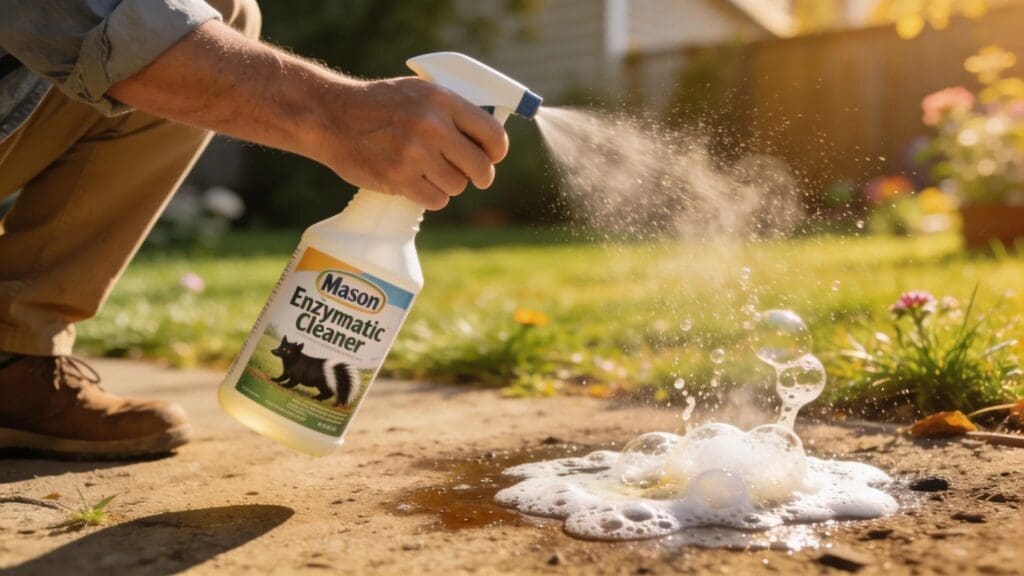
Controlling and removing skunk odor is crucial following an incident to restore a property’s cleanliness and comfort. Skunk spray contains strong compounds that can linger long after the animal has left. Utilization of specialized odor management techniques can be effective in neutralizing these odors. This includes using enzymatic cleaners that break down the odor-causing compounds and thorough cleaning strategies for affected areas. Awareness and education on effective cleaning methods are vital for property owners dealing with skunk odors.
Understanding the chemical composition of skunk spray is vital for effective odor management.
Skunk Defensive Secretion Research and Odor Composition
The striped skunk (Mephitis mephitis) is widely known for the highly odoriferous defensive secretion it uses to repel predators. Chemists have sporadically investigated the chemical composition of this secretion for many years. The history of skunk defensive secretion research, 1999
Additional Information
The local expertise of wildlife control providers in Mason, MI enhances their service effectiveness. Their in-depth knowledge of regional wildlife and regulations informs their humane removal practices. Positive customer feedback indicates reliable service delivery focused on customer satisfaction. Clients seeking skunk removal services can feel assured that community-oriented businesses emphasize quality service and active communication.
What Are the Humane Skunk Removal Techniques Used in Mason, MI?
Humane skunk removal techniques are designed to prioritize the safety and well-being of the animal while effectively addressing the challenge.
- Live Animal Trapping: Humane traps are utilized to safely capture skunks without causing them harm.
- Safe Relocation Practices: Following capture, skunks are transported to remote areas where they can thrive without posing risks to human habitats.
- Behavioral Assessment: Understanding skunk behavior is key to implementing effective trapping strategies.
How Does Live Skunk Trapping Ensure Safe and Ethical Removal?
Live skunk trapping ensures safe and ethical removal by utilizing traps specifically designed to prevent harm to the animal. These traps feature designs that securely contain skunks without causing them stress or injury. Additionally, the relocation process complies with local wildlife regulations, ensuring that the skunks are released in suitable habitats that offer food and shelter while minimizing their chances of returning to urban areas.
What Steps Are Involved in the Skunk Relocation and Release Process?
The skunk relocation and release process involves several methodical steps to ensure the animal’s safety and well-being:
- Inspection: Before relocation, the capture site is assessed to understand the animal’s habits and potential issues.
- Transportation: Captured skunks are transported in secure containers to prevent escape during transit.
- Release: Skunks are released in designated areas that provide appropriate shelter and food sources, reducing the likelihood of human conflict.
How Is Skunk Behavior and Identification Relevant for Effective Removal in Mid-Michigan?
Understanding skunk behavior and identification is crucial for effective removal in Mid-Michigan. Recognizing skunks’ nocturnal activity patterns helps wildlife experts determine optimal times for trapping and removal efforts. Additionally, identifying signs of skunk activity—such as digging or overturned garbage—alerts property owners to potential issues, enabling proactive measures before skunks become established in the area.
Which Skunk Species Are Common in Mason, MI and What Are Their Behavioral Traits?
The most common skunk species in Mason, MI is the striped skunk. This species is recognizable by its distinctive black and white fur pattern. Understanding behavioral traits, such as their tendency to dig and foraging habits, can aid in developing targeted removal strategies. Awareness of their diet—which includes insects, fruits, and household scraps—can help residents implement effective prevention measures.
How Do Skunk Activity Patterns Affect Wildlife Control Scheduling?
Skunk activity patterns significantly affect wildlife control scheduling. Skunks are most active during the twilight hours and throughout the night, making these the ideal times for setting traps and conducting inspections. Recognizing these patterns allows wildlife control professionals to align their efforts with skunk activity, increasing the likelihood of successful removal while minimizing the disruption to residents.
What Preventative Measures Effectively Reduce Skunk Intrusion Around Residential and Commercial Properties?
Effective preventative measures can greatly reduce skunk intrusion around both residential and commercial properties. These measures include:
- Secure Garbage: Lock trash bins and use wildlife-proof containers to deter skunks from scavenging.
- Remove Food Sources: Eliminate outdoor food sources, such as pet food and birdseed, that may attract skunks.
- Seal Access Points: Inspect and seal entry points into buildings and sheds where skunks might seek shelter.
How Can Skunk Exclusion Fencing and Habitat Modification Deter Visits?
Skunk exclusion fencing and habitat modification are key strategies for deterring skunk visits. Installing sturdy fencing that extends below ground can prevent skunks from burrowing under barriers. Additionally, modifying habitats by eliminating dense brush or tall grass where skunks may nest can further discourage them from entering a property.
What Are the Recommended Skunk Deterrents and Odor Control Solutions?
Recommended skunk deterrents include:
- Repellents: Commercially available repellents can discourage skunks from frequenting areas when applied correctly.
- Odor Management Products: Chemical solutions specifically designed to neutralize skunk odor can mitigate lingering smells after removal.
Effective odor control solutions often involve using enzymatic cleaners that break down the compounds responsible for the odor.
How Does Northern Michigan Pest Control Provide Comprehensive Skunk Odor Removal and Property Damage Repair?
Northern Michigan Pest Control specializes in comprehensive skunk odor removal and property damage repair following skunk incidents. Their services include assessing odor source and damage extent, employing advanced techniques to neutralize skunk odor, and offering repair solutions for any damage caused by skunks. This holistic approach ensures that properties are thoroughly restored after an incident, benefiting both aesthetics and usability.
What Techniques Are Used to Remove and Neutralize Skunk Odors Post-Removal?
Several techniques are employed to remove and neutralize skunk odors post-removal:
- Enzymatic Cleaners: These products work effectively by breaking down the underlying compounds present in skunk spray, eliminating smells at the source.
- Thorough Cleaning: Regular cleaning of affected areas, including outdoor spaces, helps in mitigating odors that may linger after skunk incidents.
How Is Wildlife Damage to Property Assessed and Repaired in Mason, MI?
Wildlife damage assessment in Mason, MI involves inspecting properties for signs of skunk activity, including burrowing, accessing structures, and damage to gardens or landscaping. Comprehensive assessment strategies and recommendations for repair work are provided to clients, ensuring any damage is adequately addressed and mitigated.
What Are the Key Factors Prospective Clients Should Consider When Choosing Skunk Removal Services in Mason, MI?
When selecting skunk removal services in Mason, MI, clients should consider essential factors, including:
- Service Options: Understand the range of services offered, including humane trapping and relocation.
- Pricing Transparency: Inquire about service costs and any potential additional fees.
- Local Expertise: Research the service provider’s knowledge of local wildlife and regulations, ensuring compliance and effective control strategies.
How Do Response Time and Free Consultation Impact Service Effectiveness?
Prompt response times and the availability of free consultations significantly impact service effectiveness. Quick responses enable timely interventions, minimizing the risks associated with skunk activity on properties. Additionally, free consultations allow providers to assess the situation accurately and recommend appropriate services.
Why Is Local Expertise and Regulatory Compliance Critical in Humane Wildlife Control?
Local expertise and regulatory compliance are crucial in humane wildlife control. Understanding local wildlife behavior enhances the effectiveness of removal efforts, while adherence to regulations ensures that all practices respect animal welfare laws. This specialized knowledge improves overall effectiveness and builds community trust, allowing for responsible management of urban wildlife.